Of course! Let's dive deep into the queue.join() method in Python. This is a crucial method for any multi-threaded producer-consumer pattern and is often misunderstood by beginners.
The Core Idea: A Barrier for Producers
Think of a queue.Queue as a shared work area. You have producers that add tasks to the queue and consumers that take tasks from the queue and process them.
The queue.join() method acts as a barrier for the producer threads. It blocks the producer thread until every single item that has been put into the queue has been successfully processed and removed by a consumer.
How It Works: The Magic of task_done()
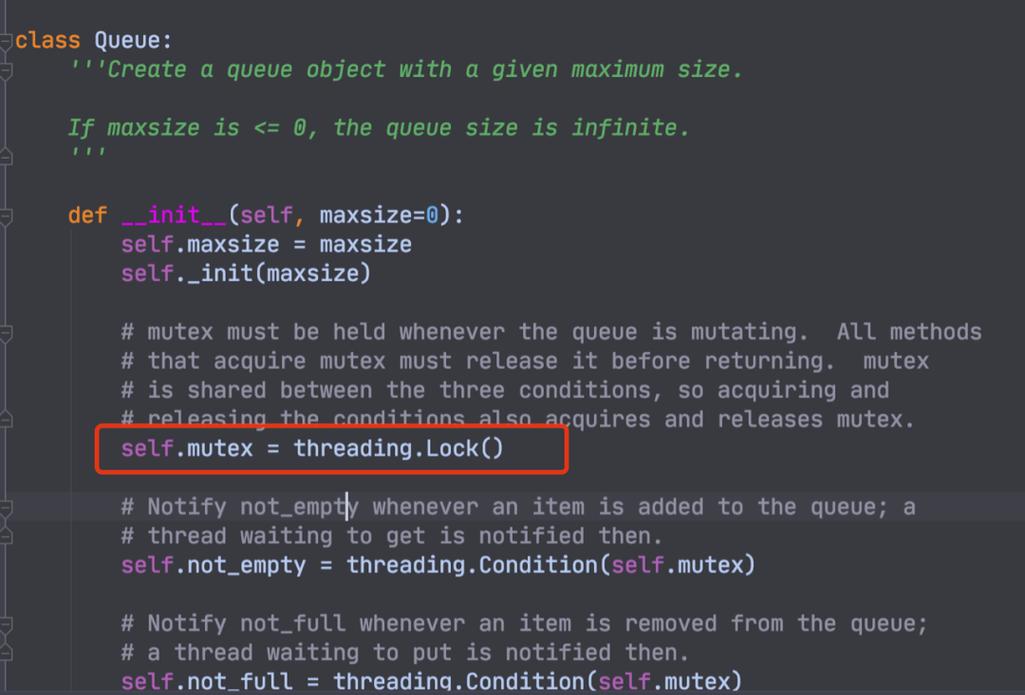
queue.join() doesn't work in isolation. It has a partner method: queue.task_done().
Here's the workflow:
- Producer: Puts an item into the queue using
queue.put(item). This increases the queue's internal "unfinished task" counter by one. - Consumer: Takes an item from the queue using
queue.get(). - Consumer: Processes the item (e.g., downloads a file, performs a calculation).
- Consumer: Calls
queue.task_done(). This is the most important step! It signals that the item retrieved byqueue.get()has been fully processed. This call decreases the queue's internal "unfinished task" counter by one. - Producer's
join(): Thequeue.join()method simply waits. It blocks the thread that called it until the queue's internal "unfinished task" counter drops to zero.
Once the counter is zero, queue.join() unblocks, and the producer thread can continue.
Analogy: A Restaurant Kitchen
- Queue: The order chute where orders come in.
- Producer: The waiter who takes customer orders and puts them in the chute (
put). - Consumer: The chef who takes an order from the chute (
get), cooks it, and places it on the pass for the waiter (task_done). queue.join(): The waiter standing by the pass, waiting for all the orders they've placed to be completed before they can tell the customers their food is ready. They won't leave the pass until the lasttask_doneis called.
Code Example: The Classic Producer-Consumer Pattern
Let's see this in action. We'll create a program where producers add numbers to a queue, and consumers square those numbers.
import queue
import threading
import time
import random
# A worker function that consumes items from the queue
def worker(q):
    """A consumer function that processes items from the queue."""
    while True:
        try:
            # Get an item from the queue. This will block if the queue is empty.
            item = q.get()
            # Simulate some work
            print(f"Worker {threading.current_thread().name}: Processing item {item}")
            time.sleep(random.uniform(0.1, 0.5)) # Simulate variable processing time
            # IMPORTANT: Signal that the task is complete
            q.task_done()
        except queue.Empty:
            # This can happen if we use q.get_nowait() and the queue is empty
            break
# --- Main Execution ---
if __name__ == "__main__":
    # Create a queue
    q = queue.Queue()
    # Number of producer and consumer threads
    num_producers = 2
    num_consumers = 3
    # Create and start consumer threads
    # We use a daemon thread so they exit when the main program exits
    consumers = []
    for i in range(num_consumers):
        consumer = threading.Thread(target=worker, args=(q,), name=f"Consumer-{i+1}", daemon=True)
        consumer.start()
        consumers.append(consumer)
    # Create and start producer threads
    producers = []
    for i in range(num_producers):
        producer = threading.Thread(target=lambda q, i: [q.put(j) for j in range(i*10, (i+1)*10)],
                                   args=(q, i),
                                   name=f"Producer-{i+1}")
        producer.start()
        producers.append(producer)
    print("\nProducers have finished adding all tasks to the queue.")
    print("Main thread is now waiting for the queue to be empty...")
    # Block the main thread until all tasks in the queue are done
    q.join()
    print("\nAll tasks have been processed by the consumers!")
    print("Main thread can now proceed.")
    # At this point, the queue is empty and all task_done() calls have been made.
    # The producer threads have already finished.
    # The consumer threads are still alive but blocked on q.get() because the queue is empty.
    # Since they are daemon threads, the program will exit.
Output Explanation:
- Producers Run: The two producer threads start and quickly add 20 numbers (0-19) to the queue.
q.join()Blocks: The main thread hitsq.join()and stops. It's waiting.- Consumers Work: The three consumer threads start taking numbers from the queue, processing them (with a random sleep), and calling
task_done(). join()Unblocks: As soon as the 20th and final item is processed andtask_done()is called for it, the queue's internal counter becomes zero. Theq.join()call in the main thread unblocks.- Main Thread Continues: The main thread prints its final message and the program exits.
Key Takeaways and Best Practices
put()andget()are for data transfer. They manage the items in the queue.task_done()is for signaling completion. It's the consumer's responsibility to call it after it finishes processing an item.join()is for synchronization. It's used by the producer (or main thread) to wait for work to be completed. It waits for the counter to reach zero, not for the queue to be empty. An item could beget()by a consumer but not yettask_done(), andjoin()would still be blocking.- Use
withfor Consumers: A more robust way to write the consumer is to use awithstatement, which automatically callstask_done()when the block is exited.
def worker_robust(q):
    while True:
        try:
            with q.get() as item: # This is a conceptual example, not real Queue syntax
                # Process item
                print(f"Processing {item}")
                # q.task_done() is called automatically when the 'with' block exits
        except queue.Empty:
            break
(Note: Standard queue.Queue doesn't support the with statement directly on get(), but this pattern is common in libraries like concurrent.futures and shows the intent. A more practical approach is a try...finally block).

def worker_with_finally(q):
    while True:
        item = q.get()
        try:
            # Process item
            print(f"Processing {item}")
        finally:
            # Ensure task_done is called even if processing fails
            q.task_done()
Common Pitfalls
- Forgetting
task_done(): This is the most common mistake. If a consumer forgets to calltask_done(), the queue's internal counter will never reach zero, andqueue.join()will block forever, causing your program to hang. - Calling
task_done()too early: If you calltask_done()before you've actually finished processing the item,queue.join()will unblock prematurely, and you might think the work is done when it's not. - Using
join()on a consumer thread:queue.join()is for the queue object, not for the thread object. You usethread.join()to wait for a specific thread to finish. You usequeue.join()to wait for the work in the queue to be finished. They are different synchronization primitives.