Of course! Here is a comprehensive speech about Java, designed to be engaging for a general audience (like students, aspiring developers, or non-technical professionals). It covers Java's history, its core strengths, its modern role, and why it remains a powerhouse today.
The Speech: The Unseen Giant: Why Java Powers Our World
(Start with a confident, engaging tone)
Good morning, everyone.
Have you ever wondered what happens when you book a flight, check your bank balance on your phone, or play a game on your computer? Behind these everyday actions is a silent, powerful force. It’s a language that doesn’t just run on your laptop; it runs on servers that span continents. It’s the backbone of massive corporations and the starting point for millions of new programmers.
That language is Java.
Today, I want to tell you the story of Java—not just as a piece of technology, but as a revolutionary idea that has quietly shaped the digital world we live in.
The Birth of a Revolutionary Idea
In the mid-1990s, the internet was just beginning to explode. But there was a problem. Code written for one computer, like a Sun workstation, wouldn't run on another, like a Windows PC. This "write once, run anywhere" problem was a massive roadblock to a truly connected world.
This is where a small team of brilliant engineers, led by a man named James Gosling, at Sun Microsystems had a radical idea. What if you could write a code once, and it could run on any device, without any changes?
They envisioned a "language for the network." It had to be simple, robust, and secure. They called it "Oak," later renaming it "Java"—after a type of coffee they drank heavily during late-night coding sessions.
This was the birth of a revolutionary concept: "Write Once, Run Anywhere."
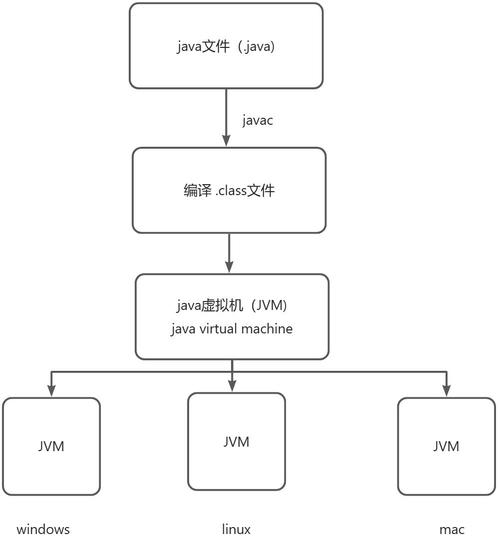
They achieved this magic through something called the Java Virtual Machine, or JVM. Think of the JVM as a universal translator. You write your Java code, and a special program—the JVM—translates it into instructions that any given computer can understand. This single idea was the key that unlocked the internet's potential.
The Pillars of Java's Strength
So, what makes Java so special? Why has it endured for nearly 30 years while so many other languages have faded away?
It’s built on four core pillars:
Simplicity and Readability.
Java was designed to be clean and easy to read. It looks a lot like English. If you've ever read if (x > 5) { ... }, you can understand what that code does. This readability makes it the perfect first language for students. It teaches you to think like a programmer without getting bogged down in confusing syntax.
Robustness and Reliability. Java is built for mission-critical systems. It has a powerful feature called automatic memory management, or garbage collection. In other languages, a programmer has to manually manage memory, which is like trying to keep track of every single drop of water in a massive ocean. It's incredibly difficult and prone to errors. Java's garbage collector is like an automatic plumbing system that cleans up for you, preventing the most common and catastrophic software crashes.
Security. When you download an app from the internet, you want to be sure it won't harm your computer. Java was designed with security in mind. Code runs inside a "sandbox," a safe and isolated environment. It can't access your files or your operating system unless you explicitly give it permission. This made it the language of choice for running small applications, or "applets," in web browsers back in the day.
Portability. This brings us back to that original revolutionary idea. Because of the JVM, a Java application compiled on a Mac can run on a Windows server or a Linux cloud server without a single change in the code. This portability is the reason Java became the undisputed king of enterprise-level applications.
Java Today: The Unsung Hero of the Modern World
You might think, "Java is old. Isn't it outdated?"
Nothing could be further from the truth. Java is not just alive; it's thriving. It's the quiet engine behind the scenes of our most critical infrastructure.
-
Android: Over 70% of the world's smartphones run on Android, and the primary language for building Android apps is Java. The app in your hand right now is likely powered by Java.
-
Big Data: Companies like Netflix, Amazon, and Spotify process unimaginable amounts of data every second. They rely on Java-based frameworks like Apache Hadoop and Apache Spark to manage this "Big Data" and give you personalized recommendations.
-
Enterprise Systems: If you work in a large company, the software that manages your payroll, your customer relationship, and your supply chain is almost certainly built on Java. It’s the trusted workhorse of the business world.
-
The Cloud: The massive cloud platforms from Amazon (AWS), Google (Google Cloud), and Microsoft (Azure) are built using Java. It provides the stable, scalable foundation that the entire cloud is built upon.
The Future is Still Java
Java has evolved. It's faster, more modern, and easier to use than ever before. New features are added regularly, keeping it at the cutting edge of technology. It has embraced modern programming paradigms like functional programming, making it relevant for the next generation of developers.
Java’s greatest lesson isn't just about a programming language. It's about the power of a simple, elegant idea to solve a universal problem. It’s about creating something that is reliable, secure, and accessible to everyone, everywhere.
So, the next time you stream a movie, make an online purchase, or simply unlock your phone, remember the unseen giant. Remember Java—a language born from a coffee-fueled dream that continues to power our world, one line of code at a time.
Thank you.