Of course. This is an excellent question that gets to the heart of a major shift in software development. Here’s a detailed breakdown of Silverlight and Java, comparing them, their history, and their current status.

Executive Summary
- Silverlight was a proprietary web browser plugin from Microsoft, designed to deliver rich, interactive media experiences and applications similar to Adobe Flash. It is now obsolete and officially deprecated.
- Java is a vast, platform-independent, general-purpose programming language and ecosystem. While its web component (Java Applets) is also obsolete, Java remains one of the most widely used languages in the world for backend services, big data, and Android development.
In short: Silverlight was a niche, now-dead technology for browser plugins. Java is a massive, foundational technology that has evolved far beyond its browser origins.
Detailed Comparison
| Feature | Silverlight | Java |
|---|---|---|
| Core Nature | A browser plugin and application framework. A programming language and a complete "write once, run anywhere" (WORA) platform. | |
| Developer | Microsoft | Oracle (originally Sun Microsystems) |
| Primary Purpose | Rich Internet Applications (RIAs) in the browser. Cross-platform desktop, server, mobile, and web applications. | |
| Technology Type | Closed-source, proprietary. | Open-source (OpenJDK), with a reference implementation from Oracle. |
| Platform Support | Primarily Windows and Mac. Limited support on Linux. | Runs on virtually any operating system (Windows, macOS, Linux, Solaris, etc.) and device. |
| Current Status | DEPRECATED & OBSOLETE. Support ended in October 2025. | ACTIVE & THRIVING. A dominant force in enterprise software, Android, and data processing. |
| Key Use Case (Historical) | Corporate dashboards, video streaming (e.g., Netflix before HTML5), line-of-business applications. | Enterprise backend systems, Android apps, big data (Hadoop, Spark), scientific computing, financial services. |
| Key Technology (Web) | Browser plugin (.xap files). |
Java Applets (also obsolete). Modern Java runs on the server (backend) or in a browser via WebAssembly (e.g., Quarkus, GraalVM). |
In-Depth Look at Silverlight
What Was Silverlight?
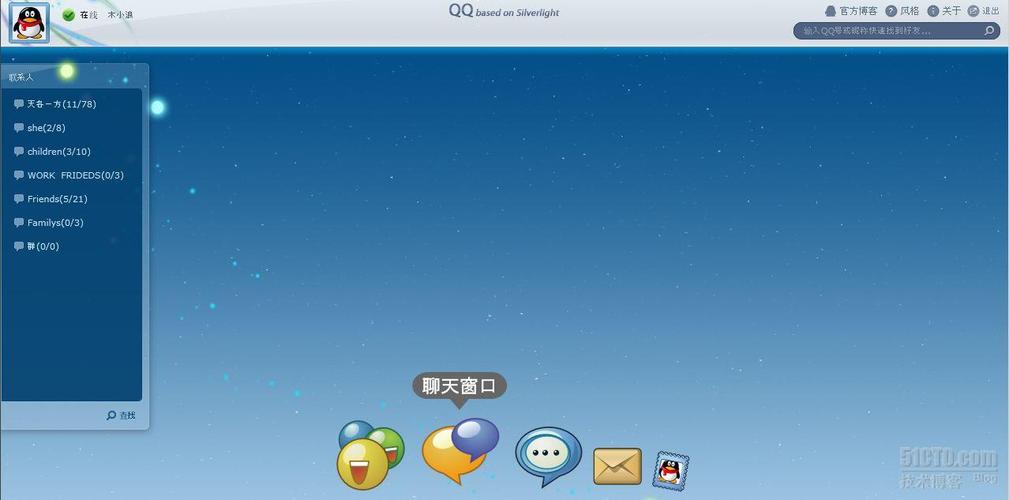
Silverlight was Microsoft's answer to Adobe Flash in the mid-to-late 2000s. It was a free browser plugin that allowed developers to create rich, interactive applications with smooth animations, high-definition video, and complex graphics.
- Technology Stack: It used a subset of the .NET Framework and the C# or VB.NET languages for logic, and XAML (eXtensible Application Markup Language) for defining the user interface.
- Key Features:
- Deep Integration with Windows: It had seamless access to Windows Media DRM, the .NET Framework, and other Windows-specific features.
- Cross-Platform (at first): Early versions ran on Windows, macOS, and even Linux (via an open-source project called Moonlight).
- Video Quality: It was a pioneer in adaptive streaming, allowing for smooth, high-definition video playback, which is why Netflix used it for years.
Why Did Silverlight Fail?
- The Rise of HTML5: The biggest killer. The web industry collectively decided that native browser support for video, audio, graphics (Canvas, SVG), and animations was the future. This made plugins like Silverlight and Flash unnecessary.
- Mobile Incompatibility: Silverlight never had a significant presence on iOS or Android. As smartphones took over, a technology that only worked on desktops became irrelevant.
- Proprietary Nature: Unlike open web standards, Silverlight was controlled by Microsoft. This stifled innovation and adoption among developers who didn't want to lock themselves into a single vendor.
- Competition from Flash: While Silverlight was technically superior in many ways, Flash had already captured the market and had a massive developer base.
Current Status of Silverlight
- End of Life: Microsoft officially ended support for Silverlight on October 12, 2025.
- Legacy Systems: You might still encounter it in some very old, internal corporate applications or government websites (especially in regions like the US for tax filing). However, these are considered legacy systems and are a security risk and maintenance burden.
- Migration: Organizations using Silverlight are actively migrating to modern web technologies like React, Angular, Blazor (Microsoft's modern web framework), or JavaScript libraries.
In-Depth Look at Java
What is Java?
Java is a general-purpose, class-based, object-oriented programming language designed to have as few implementation dependencies as possible. Its "write once, run anywhere" (WORA) philosophy is achieved through the Java Virtual Machine (JVM).
- The JVM: This is the magic. You compile Java code into an intermediate format called bytecode. The JVM then executes this bytecode on any device that has a JVM installed, making the code platform-independent.
- The Ecosystem: Java is far more than just a language. It's a massive ecosystem including:
- Libraries: Huge collections of pre-built code for everything from networking (Spring) to data structures (Apache Commons).
- Frameworks: Powerful frameworks for building web backends (Spring Boot), microservices, and big data applications (Hadoop, Spark, Kafka).
- Tools: A complete suite of development, testing, and deployment tools.
How is Java Used Today?
While its browser-based use (Applets) is dead, Java is more relevant than ever, just in different places:
- Enterprise Backend Systems: This is Java's stronghold. It powers the backend of countless large-scale websites, financial institutions, and e-commerce platforms due to its stability, security, and performance.
- Android Development: For over a decade, Java was the primary language for building Android apps (though Kotlin is now the official recommended language, Java is still massively used).
- Big Data and Data Science: The entire big data ecosystem is built on the JVM. Frameworks like Apache Spark, Hadoop, Kafka, and Elasticsearch are written in Java/Scala, making it essential for data engineers and scientists.
- Desktop Applications: While less common now, Java is still used for large, cross-platform desktop applications, especially in the scientific and financial sectors.
The Modern Web and Java
Java doesn't run in the browser like Silverlight did. Instead, it powers the server that the browser communicates with. Modern Java frameworks (like Spring Boot) make it incredibly fast and easy to build robust APIs for web and mobile frontends (React, Angular, Vue, etc.).
Conclusion: Silverlight vs. Java
| Silverlight | Java | |
|---|---|---|
| Analogy | A specialized, now-extinct species of browser plugin. | A versatile and dominant phylum of software development. |
| Relevance | Zero. It's a technology of the past. | Extremely High. It's a foundational pillar of modern software. |
| Future | None. | Very bright, especially in cloud, microservices, and AI/ML. |
Final Takeaway:
Comparing Silverlight and Java is like comparing a specific, discontinued model of a car (Silverlight) to the entire automotive industry (Java). One was a specific product that served a purpose for a time and is now gone. The other is a vast, foundational technology that has adapted and continues to power a significant portion of our digital world.
If you are learning to program or building a new application, you should learn Java, not Silverlight. Silverlight is only relevant for understanding the history of web development.