Of course. This is a classic comparison in the world of web development. ASP.NET, Java, and PHP are all powerful server-side technologies used to build dynamic websites and web applications, but they come from different philosophies, ecosystems, and time periods.
Here’s a detailed breakdown and comparison to help you understand their strengths, weaknesses, and ideal use cases.
At a Glance: The Core Idea
| Feature | ASP.NET (primarily with C#) | Java (with frameworks like Spring) | PHP |
|---|---|---|---|
| Core Language | C# | Java | PHP |
| Primary Paradigm | Object-Oriented, strongly typed | Object-Oriented, strongly typed | Multi-paradigm, dynamically typed |
| Runtime | .NET (cross-platform) | Java Virtual Machine (JVM) | Zend Engine |
| Philosophy | Modern, high-performance, enterprise-grade. "Batteries-included" with a rich framework. | Ubiquitous, platform-agnostic, robust. The "write once, run anywhere" giant. | Simple, fast to learn, web-focused. The "get it done quickly" language. |
| Key Strength | Windows integration, performance, modern tooling (Visual Studio). | Scalability, massive ecosystem, reliability. | Huge community, ease of use, vast CMS ecosystem. |
| Best For | Enterprise applications, high-traffic sites, Windows-centric environments, modern cloud-native apps. | Large-scale enterprise systems, financial services, Android apps (via Kotlin/Java), big data. | Small to medium websites, content management systems (CMS), rapid prototyping, startups. |
Detailed Breakdown
ASP.NET (with C#)
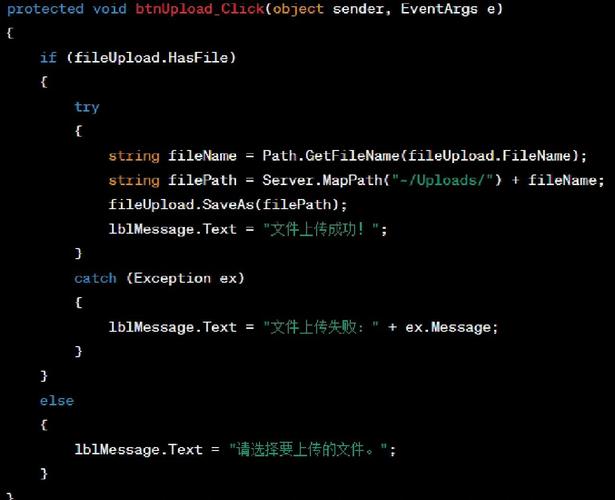
What it is: A free, open-source, cross-platform framework from Microsoft for building modern web apps and services. It's not just one thing but a family of technologies, with ASP.NET Core being the current, modern standard.
- Language: Primarily C#, a modern, elegant, and powerful language with strong typing.
- Runtime: .NET (formerly .NET Core). It runs on Windows, macOS, and Linux. It's known for its high performance and excellent tooling.
- Key Frameworks:
- ASP.NET MVC: A mature framework for building web apps using the Model-View-Controller pattern.
- ASP.NET Web API: For building RESTful services.
- Blazor: A new, innovative framework for building interactive web UIs using C# instead of JavaScript.
- Razor Pages: A simpler, page-focused model for getting started quickly.
Strengths:
- High Performance: .NET is consistently benchmarked as one of the fastest server-side frameworks.
- Excellent Tooling: Visual Studio is arguably the best integrated development environment (IDE) available, offering unparalleled debugging, IntelliSense, and project management.
- Modern Language: C# is a joy to work with, featuring features like LINQ, async/await, and strong nullability checks that boost developer productivity.
- Cross-Platform: While historically Windows-only, .NET Core and .NET 5+ are fully cross-platform.
- Strongly Typed: The C# language and framework encourage type safety, which catches many errors at compile-time rather than at runtime.
- Great Windows Integration: If your application needs to deeply integrate with Windows Server, Active Directory, or other Microsoft services, ASP.NET is the natural choice.
Weaknesses:
- Learning Curve: The entire .NET ecosystem (C#, .NET, Visual Studio) can be large and overwhelming for beginners.
- Microsoft Ecosystem: While cross-platform, it still feels most at home within the Microsoft world. Some libraries and community support might be more Windows-centric.
- Verbosity: Can be more verbose than PHP, requiring more code to accomplish the same task.
Ideal Use Cases:
- Enterprise-level business applications (ERP, CRM).
- High-traffic e-commerce sites.
- SaaS (Software as a Service) platforms.
- Projects where performance and developer productivity are top priorities.
- Applications that need to integrate with the Microsoft stack.
Java (with Frameworks like Spring)
What it is: A general-purpose, class-based, object-oriented programming language designed for portability. "Java" refers to both the language and the Java Virtual Machine (JVM), which allows Java code to run on any device with a JVM.
- Language: Java, known for its strict syntax, verbosity, and "write once, run anywhere" (WORA) philosophy.
- Runtime: Java Virtual Machine (JVM). A mature, highly optimized, and incredibly stable runtime environment.
- Key Frameworks:
- Spring Framework: The de facto standard for building enterprise-grade Java applications. It's comprehensive, powerful, and can be complex.
- Jakarta EE (formerly Java EE): A set of specifications for building large, scalable, and secure applications.
- Micronaut / Quarkus: Modern, lightweight frameworks designed for building serverless and cloud-native applications with fast startup times.
Strengths:
- Massive Ecosystem: The Maven and Gradle repositories contain an enormous number of high-quality, battle-tested libraries for almost any task imaginable.
- Unmatched Scalability & Reliability: The JVM is a rock-solid platform. Java is the backbone of countless large-scale, mission-critical applications in finance, banking, and e-commerce (e.g., LinkedIn, Amazon's internal systems).
- Platform Independence: The "write once, run anywhere" promise is a reality. You can develop on one OS and deploy on another without recompiling.
- Strong Typing & Object-Oriented: Enforces a rigid structure that leads to robust, maintainable, and predictable code, especially in large teams.
- Huge Talent Pool: There is a vast global community of Java developers, making it easy to hire.
Weaknesses:

- Verbosity and Boilerplate: Java is notoriously verbose. It often requires a lot of "boilerplate" code for simple tasks.
- Steeper Learning Curve: The language syntax is strict, and mastering frameworks like Spring can be a significant undertaking.
- Memory Consumption: JVM applications can have a higher memory footprint compared to some other runtimes.
- Slower Development Cycle: The verbosity and complexity can lead to slower development times compared to more dynamic languages.
Ideal Use Cases:
- Large-scale, complex enterprise applications (banking, insurance, telecommunications).
- Microservices architectures.
- Big data processing (Hadoop, Spark are written in Java/Scala).
- Android app development (the primary language).
- Any application where maximum reliability, scalability, and maintainability are non-negotiable.
PHP
What it is: A server-side scripting language designed specifically for web development. It's known for its simplicity and the speed at which developers can build things.
- Language: PHP, a dynamically typed, interpreted language. It has evolved significantly over the years, with modern versions (PHP 7+) offering major performance improvements and new features.
- Runtime: Zend Engine. It's lightweight and easy to set up, making it a favorite for shared hosting environments.
- Key Frameworks:
- Laravel: A modern, elegant, and developer-friendly framework that has become the most popular choice for new PHP projects. It has a beautiful syntax and a rich ecosystem.
- Symfony: A set of reusable components and a full framework. It's known for being robust, flexible, and often used in large enterprise applications.
- WordPress: While not a framework in the traditional sense, WordPress is built on PHP and powers over 40% of the web, making PHP's influence immense.
Strengths:
- Easy to Learn and Use: The syntax is relatively simple and forgiving, making it a great choice for beginners.
- Massive Community & CMS Ecosystem: PHP's biggest strength is its community. It has the largest package repository (Packagist) and is the backbone of WordPress, Drupal, and Joomla. Finding developers, plugins, and tutorials is incredibly easy.
- Fast Development: The simplicity of the language and the power of frameworks like Laravel allow for rapid development and prototyping.
- Ubiquity on the Web: It is supported by almost every web host in the world, from shared hosting to advanced cloud platforms.
- Great for Web-Specific Tasks: It was made for the web, with features like easy database connectivity and simple session management.
Weaknesses:
- Historical Reputation: Older versions of PHP (pre-7.0) had a reputation for being insecure and poorly designed. While modern PHP is excellent, this stigma still lingers.
- Dynamically Typed: This can lead to runtime errors that would be caught at compile-time in a strongly typed language like C# or Java.
- Performance: While modern PHP is very fast, it generally doesn't match the raw throughput of highly optimized .NET or Java applications under extreme load.
- Inconsistent Naming Conventions: The standard library has functions with inconsistent naming (e.g.,
str_split()vsexplode()).
Ideal Use Cases:
- Content Management Systems (WordPress, Drupal).
- Small to medium-sized business websites and blogs.
- E-commerce sites (Magento, WooCommerce).
- Rapid prototyping and startups (thanks to Laravel).
- Any project where speed of development and community support are more critical than raw performance.
Summary and How to Choose
| If you need... | Choose... | Why? |
|---|---|---|
| Raw performance and top-tier tooling | ASP.NET (.NET) | C# and .NET are built for speed, and Visual Studio is the best IDE on the market. |
| Maximum scalability and reliability for a huge enterprise system | Java (Spring) | The JVM and the Java ecosystem are proven to handle massive, complex applications that run 24/7. |
| To build a website or app as fast as possible | PHP (Laravel) | The simplicity of PHP and the elegance of Laravel allow for incredibly fast development cycles. |
| Deep integration with Windows/Microsoft services | ASP.NET (.NET) | It's the native, most seamless choice for the Microsoft ecosystem. |
| To leverage the largest ecosystem of web content (CMS) | PHP | It's the language of WordPress, giving you access to a massive pool of themes, plugins, and developers. |
| A modern, well-paying job with a strong future | All three are excellent choices. | The demand for skilled .NET, Java, and (especially) Laravel developers is very high. |
| A language that is easy for a beginner to start with | PHP | Its forgiving nature and web-focused design make it a great entry point into server-side programming. |
Ultimately, the "best" technology depends entirely on your project's specific requirements, your team's expertise, and your long-term goals. There is no single winner; each tool excels in its own domain.