Of course! This is a very common point of confusion for people new to programming. The names are misleadingly similar, but Java and JavaScript are two completely different programming languages.
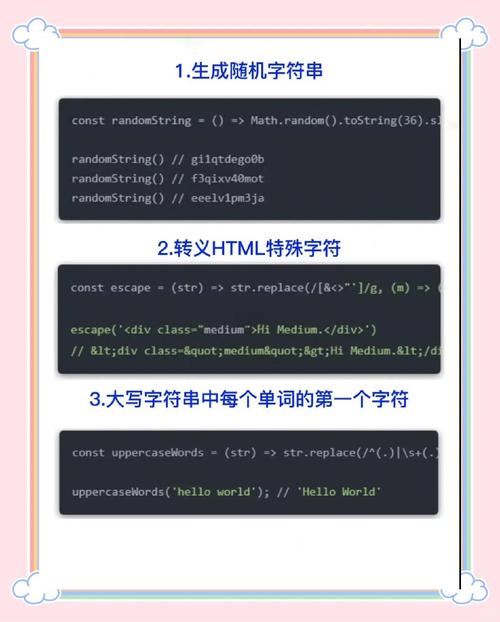
Think of it like this: "Ham" and "Hamster" have "ham" in their names, but one is a food and the other is an animal. Similarly, Java and JavaScript share a name, but they have different purposes, syntax, and runtimes.
Here’s a detailed breakdown to clear things up.
At a Glance: The Core Difference
| Feature | Java | JavaScript |
|---|---|---|
| Type | Compiled, strongly-typed language | Interpreted, dynamically-typed language |
| Primary Use | Enterprise applications, Android apps, backend services | Web pages (frontend), web servers (backend), mobile apps |
| Runtime | Java Virtual Machine (JVM) | Web Browser Engine (Node.js for server-side) |
| Syntax | More verbose, strict, object-oriented | More concise, flexible, prototype-based |
| Execution | Code is compiled into bytecode before running | Code is executed line-by-line at runtime |
Detailed Comparison
Let's dive deeper into each language.
What is Java?
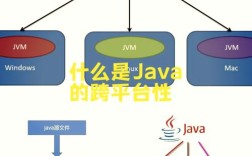
Java is a general-purpose, class-based, object-oriented programming language designed to have as few implementation dependencies as possible. It's known for its "write once, run anywhere" (WORA) philosophy.
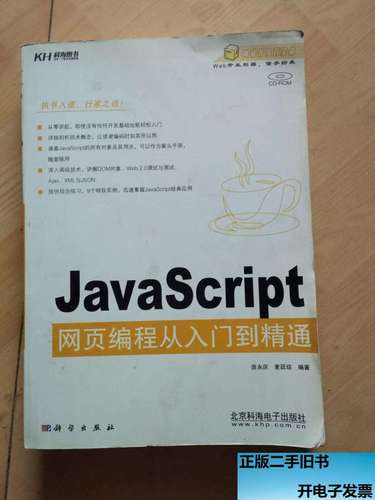
Key Characteristics of Java:
- Compiled Language: You write Java code (
.javafiles) and then compile it into an intermediate format called bytecode (.classfiles). This bytecode is not human-readable but is machine-readable for the Java Virtual Machine (JVM). - Strongly-Typed: You must declare the type of every variable (e.g.,
int,String,boolean) before you use it. This prevents many common errors but makes the code more verbose. - Object-Oriented (OOP): Java is built around the concept of "objects" and "classes." Everything in Java is an object (except for primitive types like
intandboolean). - Strict and Verbose: Java has a lot of "boilerplate" code. For example, to run a simple "Hello, World!" program, you need to define a class and a
mainmethod. - Primary Use Cases:
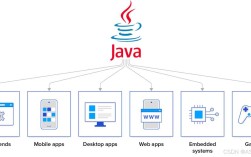
- Enterprise Applications: Large-scale, server-side backend systems (e.g., banking, e-commerce).
- Android Development: The primary language for building native Android mobile apps (though Kotlin is now preferred).
- Big Data: Frameworks like Hadoop and Spark are written in Java.
- Desktop Applications: Still used for some traditional desktop software.
Java Code Example:
// A simple Java program
public class HelloWorld {
    public static void main(String[] args) {
        // This is a strongly-typed variable declaration
        String message = "Hello, World!";
        System.out.println(message);
    }
}
What is JavaScript?
JavaScript (often abbreviated as JS) is a high-level, interpreted programming language that conforms to the ECMAScript specification. It is the language of the web, enabling interactive and dynamic content on websites.
Key Characteristics of JavaScript:
- Interpreted Language: Traditionally, JavaScript code is executed directly by the browser's engine (like V8 in Chrome) without a separate compilation step. The engine reads the code line by line and runs it. (Modern engines use a "Just-In-Time" compiler to optimize performance).
- Dynamically-Typed: You don't have to declare the type of a variable. The type is determined at runtime. This makes code faster to write but can lead to runtime errors.
- Prototype-Based: While it can use object-oriented programming, JavaScript's inheritance model is based on "prototypes" rather than classes (though ES6 introduced
classsyntax as a syntactic sugar over prototypes). - Concise and Flexible: JavaScript syntax is more forgiving and less verbose than Java's. You can achieve a lot with less code.
- Primary Use Cases:
- Frontend Web Development: Making websites interactive (e.g., validating forms, creating animations, updating content without reloading the page). This is its original and most famous use.
- Backend Web Development: Using runtimes like Node.js, JavaScript can be used to build fast, scalable web servers and APIs.
- Mobile App Development: Frameworks like React Native and Ionic use JavaScript to build cross-platform mobile apps.
- Desktop Applications: Frameworks like Electron (used by VS Code, Slack, Discord) allow building desktop apps with JavaScript.
JavaScript Code Example:
// A simple JavaScript program
let message = "Hello, World!"; // Dynamically-typed variable
console.log(message);
The Relationship and Why the Confusion
The confusion started in 1995 when JavaScript was created by Brendan Eich at Netscape. At the time, Java was incredibly popular and seen as the language of the future for the web.
Netscape wanted to hitch JavaScript's wagon to Java's star. They originally wanted to call the language "LiveScript," but for marketing reasons, they renamed it to JavaScript to capitalize on Java's popularity and make it seem like a "younger, more dynamic" companion to Java.
However, the name was a marketing ploy. The languages are not related, do not share syntax (despite some superficial similarities like C-style curly braces), and were created by different companies for different purposes.

When to Use Which?
-
Use Java when:
- You need to build a large, robust, and scalable backend system for a company.
- You are developing a native Android app (especially if it's an existing project).
- Performance and strict type safety are your absolute top priorities.
-
Use JavaScript when:
- You are building any part of a website (frontend or backend).
- You need to add interactivity to a web page.
- You are building a cross-platform mobile or desktop app.
- You want to get started with web development quickly, as the barrier to entry is lower.
Summary Table
| Java | JavaScript | |
|---|---|---|
| Analogy | A sturdy, reliable sedan (Toyota Camry) | A versatile, agile sports car (Porsche 911) |
| Philosophy | Structure, stability, "write once, run anywhere" | Flexibility, speed, "everywhere on the web" |
| Typing | Static / Strongly-Typed | Dynamic / Dynamically-Typed |
| Execution | Compiled to bytecode, runs on the JVM | Interpreted by a browser engine or Node.js |
| Ecosystem | Maven, Gradle, Spring, Hibernate | npm, yarn, React, Angular, Vue, Node.js |
In short, Java and JavaScript are not related. They are two distinct tools for different jobs, sharing a name only for historical marketing reasons.