Of course! This is a very common point of confusion for people new to Anaconda and Linux/macOS. Let's break it down.

The Short Answer
You should almost never use sudo with conda or python from an Anaconda environment.
Here's why:
- Anaconda Environments are User-Specific: When you install Anaconda, it installs into your home directory (e.g.,
/home/your_username/anaconda3). This is designed so that you don't need administrator privileges (sudo) to manage packages. You have full control over your own environments. sudois for System-Wide Changes: Thesudocommand elevates your permissions to the root user, which has control over the entire operating system. Usingsudoto install a Python package into your Anaconda environment is like using a sledgehammer to crack a nut—it's the wrong tool for the job and can cause serious problems.
The Detailed Explanation: The "Why"
Let's look at the potential problems of using sudo with Anaconda.
Permission Issues and Broken Environments
When you run sudo python or sudo conda install ..., the command is executed by the root user. This means:
- Files are owned by
root: Any packages you install will have files owned by therootuser (e.g.,/home/your_username/anaconda3/envs/my_env/lib/python3.9/site-packages/some_package/). - You can't modify them later: When you switch back to your normal user (without
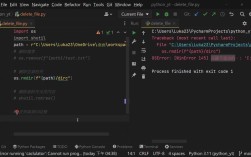
sudo), you won't have permission to update, modify, or even uninstall these packages. You'll getPermission deniederrors, leading to a broken and unusable environment.
Conflicting with System Python
Most Linux and macOS systems come with a pre-installed, system-wide Python. This Python is managed by the system's package manager (like apt on Debian/Ubuntu or yum on CentOS) and is used for critical system tools.
- Risk of Breaking Your System: Using
sudo pip installorsudo conda installcan accidentally install packages that conflict with the system's Python. This can break essential system utilities that depend on the original, clean Python installation. This is one of the most common ways users accidentally break their operating system.
Anaconda's Design Philosophy
Anaconda's purpose is to provide a self-contained, reproducible, and conflict-free Python environment. It achieves this by:
- Installing in your user space.
- Creating isolated environments for each project.
- Managing its own packages without interfering with the system.
Using sudo completely goes against this design philosophy.
The Correct Workflow: How to Do It Right
Here is the standard, recommended way to work with Anaconda.

Activating Your Environment
First, always activate the environment you want to work in. This modifies your shell's PATH so that python, pip, and conda point to the executables within that specific environment.
# Activate your base environment (usually)
conda activate base
# Or activate a specific project environment
conda activate my_project_env
Your command prompt will change to show the active environment, like (base) $ or (my_project_env) $.
Installing Packages
Once your environment is active, use conda install (preferred) or pip install without sudo.
# (my_project_env) $
conda install numpy pandas matplotlib
# Or if a package isn't in conda's repo, use pip
# (my_project_env) $
pip install some-special-package
Running Python Scripts
When your environment is active, simply run python. It will automatically use the Python interpreter from the active environment.
# (my_project_env) $
python my_script.py
When MIGHT You Use sudo with Anaconda? (Rare Cases)
There are a few very specific scenarios where sudo might be involved, but they are exceptions, not the rule.
-
Installing Anaconda Itself: The initial installation of the Anaconda Navigator/Miniconda installer might require
sudoif you are installing it system-wide (e.g., into/opt/). However, the standard recommendation is to install it in your home directory withoutsudo. -
Fixing a Broken Environment (Last Resort): If you have already made the mistake of using
sudoand your environment is broken, you might needsudoto clean up theroot-owned files. This is not recommended and can be risky. It's often better to just create a fresh environment. -
Running a Script that Needs Root Privileges: This is about your script, not the Python environment. If your Python script itself needs to perform an action that requires
sudo(e.g., modifying a system file), you would run the script withsudo.# Your script needs to write to /etc/config.txt # The python command itself does NOT need sudo, but the script's action does. sudo python my_admin_script.py
Summary Table
| Command | Correct? | Why? |
|---|---|---|
conda activate my_env |
YES | The first step to working in a specific environment. |
conda install numpy |
YES | Installs a package into your currently active environment. |
pip install requests |
YES | Installs a package into your currently active environment. |
sudo conda install numpy |
NO | Creates permission conflicts. Breaks the environment. |
sudo pip install requests |
NO | Can conflict with system Python and break your OS. |
sudo python my_script.py |
RARE | Only if my_script.py itself needs to perform an action that requires root privileges. |
sudo /path/to/anaconda3/bin/conda ... |
NO | Avoids the environment activation step and can lead to confusion and errors. |
Golden Rule: Keep your Anaconda environments within your user space. If you need sudo, you're probably trying to do something wrong or outside the scope of Anaconda's project management.