推荐使用 Java 8+ 的 java.time 包 (现代标准)
java.time 包提供了 ZonedDateTime 和 Instant 等类来处理带时区的日期时间,这是目前最推荐的方式。

(图片来源网络,侵删)
场景 1:你的本地时间是一个明确的“时区时间”
如果你的“本地时间”是指某个特定时区(北京时间 Asia/Shanghai)的日期和时间,那么你应该使用 ZonedDateTime。
示例代码:
import java.time.ZoneId;
import java.time.ZonedDateTime;
import java.time.Instant;
import java.time.format.DateTimeFormatter;
public class LocalToUtcJava8 {
    public static void main(String[] args) {
        // 1. 定义你的本地时区
        ZoneId localZone = ZoneId.of("Asia/Shanghai"); // 北京时间
        // 2. 创建一个本地时区的日期时间对象
        // 假设本地时间是 2025-10-27 10:30:00
        ZonedDateTime localDateTime = ZonedDateTime.of(2025, 10, 27, 10, 30, 0, 0, localZone);
        // 3. 转换为 UTC 时间
        // ZonedDateTime.toInstant() 会自动处理时区偏移,得到一个 UTC 时间的瞬间点
        Instant utcInstant = localDateTime.toInstant();
        // 4. (可选) 将 Instant 格式化为更易读的 UTC 字符串
        // Instant.toString() 本身就是 ISO-8601 格式的 UTC 时间字符串
        System.out.println("原始本地时间 (ZonedDateTime): " + localDateTime);
        System.out.println("转换后的 UTC 时间 (Instant):   " + utcInstant);
        // 如果你想得到一个类似 "2025-10-27T02:30:00Z" 的字符串
        System.out.println("格式化的 UTC 时间字符串:       " + utcInstant.toString());
        // 如果你想得到一个特定格式的字符串
        DateTimeFormatter formatter = DateTimeFormatter.ofPattern("yyyy-MM-dd HH:mm:ss 'UTC'");
        // 需要先从 Instant 转换为 ZonedDateTime (atZone) 来指定格式化的时区
        String formattedUtc = utcInstant.atZone(ZoneId.of("UTC")).format(formatter);
        System.out.println("自定义格式的 UTC 时间字符串:   " + formattedUtc);
    }
}
代码解释:
ZoneId: 代表一个时区,Asia/Shanghai、America/New_York,使用时区名(如 "Asia/Shanghai")比使用偏移量(如+08:00)更好,因为它考虑了夏令时等规则。ZonedDateTime: 表示一个带有时区信息的日期和时间对象,这是“本地时间”最准确的表示。toInstant(): 这是核心方法,它会将ZonedDateTime对象转换为一个Instant对象。Instant是一个时间线上的瞬间点,它与 UTC 时间完全等价,不包含任何时区信息,这是转换的关键步骤。
场景 2:你的本地时间只是一个“无时区”的日期时间
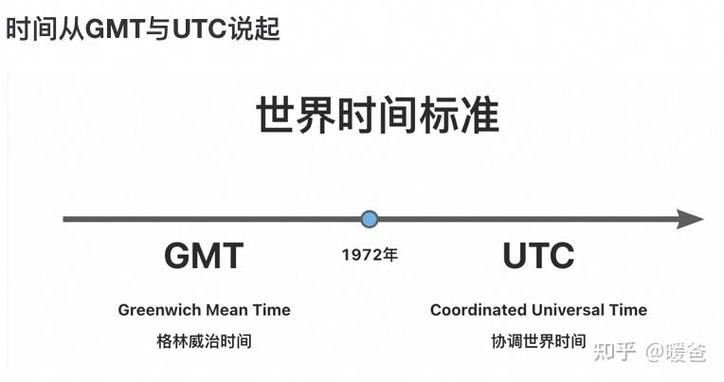
如果你只有像 2025-10-27 10:30:00 这样的字符串,并且你知道它代表的是某个时区的本地时间,你需要先将其与一个时区关联起来,然后再转换。
(图片来源网络,侵删)
示例代码:
import java.time.ZoneId;
import java.time.ZonedDateTime;
import java.time.Instant;
import java.time.LocalDateTime;
import java.time.format.DateTimeFormatter;
public class LocalStringToUtc {
    public static void main(String[] args) {
        // 1. 定义你的本地时区
        ZoneId localZone = ZoneId.of("Asia/Shanghai");
        // 2. 解析一个无时区的日期时间字符串
        String localDateTimeStr = "2025-10-27 10:30:00";
        DateTimeFormatter localFormatter = DateTimeFormatter.ofPattern("yyyy-MM-dd HH:mm:ss");
        LocalDateTime localDateTime = LocalDateTime.parse(localDateTimeStr, localFormatter);
        // 3. 将无时区的 LocalDateTime 与一个时区关联,变成 ZonedDateTime
        ZonedDateTime zonedDateTime = localDateTime.atZone(localZone);
        // 4. 转换为 UTC
        Instant utcInstant = zonedDateTime.toInstant();
        System.out.println("原始本地时间字符串: " + localDateTimeStr);
        System.out.println("关联时区后的时间:  " + zonedDateTime);
        System.out.println("转换后的 UTC 时间: " + utcInstant);
    }
}
代码解释:
LocalDateTime: 表示一个不带时区的日期和时间,如2025-10-27T10:30:00,它不能直接表示一个“真实”的时间点,因为不知道时区。atZone(ZoneId): 这是将LocalDateTime转换为ZonedDateTime的方法,它告诉 JVM:“这个本地时间是在这个特定时区下的时间”,之后就可以像场景1一样进行转换了。
使用 Java 8 之前的 java.util.Date 和 java.util.Calendar (遗留代码)
如果你维护的是旧代码,可能会用到这些类。这种方法不推荐用于新项目,因为它设计有缺陷,且容易出错。
示例代码:
import java.util.Calendar;
import java.util.Date;
import java.util.TimeZone;
public class LegacyLocalToUtc {
    public static void main(String[] args) {
        // 1. 创建一个 Calendar 实例,并设置其时区为本地时区
        Calendar localCalendar = Calendar.getInstance();
        localCalendar.setTimeZone(TimeZone.getTimeZone("Asia/Shanghai"));
        // 2. 设置日期和时间 (2025-10-27 10:30:00)
        localCalendar.set(Calendar.YEAR, 2025);
        localCalendar.set(Calendar.MONTH, Calendar.OCTOBER); // 月份是从0开始的
        localCalendar.set(Calendar.DAY_OF_MONTH, 27);
        localCalendar.set(Calendar.HOUR_OF_DAY, 10);
        localCalendar.set(Calendar.MINUTE, 30);
        localCalendar.set(Calendar.SECOND, 0);
        // 3. 获取 Date 对象
        // 这个 Date 对象内部存储的是 UTC 毫秒数,但它是根据 Calendar 的时区计算出来的
        Date localDate = localCalendar.getTime();
        // 4. (可选) 将 Calendar 的时区切换为 UTC,然后再次获取 Date
        // 这一步其实和第3步得到的 Date 是同一个 UTC 时间点
        localCalendar.setTimeZone(TimeZone.getTimeZone("UTC"));
        Date utcDate = localCalendar.getTime();
        System.out.println("本地时区设置下的 Date (内部为UTC): " + localDate);
        System.out.println("切换到UTC时区后的 Date:            " + utcDate);
        // 无论 Calendar 的时区如何设置,其 getTime() 方法返回的 Date 对象
        // 代表的都是同一个 UTC 瞬间,关键在于设置时间时使用的时区。
    }
}
代码解释:
(图片来源网络,侵删)
Calendar.getInstance(): 默认会使用 JVM 的默认时区。setTimeZone(): 明确指定 Calendar 使用的时区。这一步至关重要,因为它决定了set()方法设置的年月日小时等值所对应的 UTC 时间。getTime(): 这个方法返回一个java.util.Date对象。Date对象的本质是一个 UTC 时间戳(从1970年1月1日UTC开始的毫秒数),一旦你用正确的时区设置了 Calendar,getDate()得到的就是 UTC 时间。
总结与最佳实践
| 特性 | java.time (推荐) |
java.util.Date / Calendar (遗留) |
|---|---|---|
| 易用性 | 非常直观,API 设计清晰 | API 复杂,月份从0开始,容易出错 |
| 不可变性 | 大部分类(如 ZonedDateTime)是不可变的,线程安全 |
Calendar 是可变的,非线程安全 |
| 时区处理 | 使用 ZoneId,明确且强大 |
使用 TimeZone,功能相对较弱 |
| 核心思想 | ZonedDateTime (带时区时间) -> Instant (UTC瞬间) |
Calendar (设置时区) -> Date (UTC时间戳) |
| 适用场景 | 所有新项目 | 维护旧代码 |
核心要点:
- 明确“本地时间”的时区:没有时区的“时间”是没有意义的,你必须知道你的“10:30”是哪个时区的“10:30”。
- 首选
java.time:使用ZonedDateTime来表示带时区的本地时间,然后调用toInstant()方法即可得到 UTC 时间。 Instant是 UTC 的标准表示:在 Java 中,Instant类就是 UTC 时间的化身,它代表了时间线上的一个精确点,当你需要跨时区传递或存储时间时,Instant是最佳选择。