Of course. Here is a comprehensive guide to Python 2.6 on Windows, covering its history, why you might still encounter it, how to install it, and most importantly, how to migrate away from it.
Important Warning: Python 2.6 is Obsolete and Unsupported
This is the most critical point you need to understand.
- End of Life (EOL): Python 2.6 reached its official end of life in October 2025.
- No Security Updates: It has not received any security patches or bug fixes for over a decade. Running it on a machine connected to the internet is a significant security risk.
- No Modern Libraries: Virtually all modern Python libraries (including NumPy, Pandas, Django, Flask, etc.) have dropped support for Python 2. You cannot install them.
- Not for New Projects: You should never start a new project with Python 2.6.
You should only be dealing with Python 2.6 if you are maintaining a very old, legacy application that you cannot immediately upgrade.
Why Would Someone Need Python 2.6 Today?
You will typically encounter Python 2.6 in one of these scenarios:
- Maintaining Legacy Software: You are responsible for an old application, script, or internal tool that was written for Python 2.6 and has not been updated.
- Archived Data/Scripts: You've found old data files or scripts that depend on a specific library only available for Python 2.6.
- Educational/Historical Purposes: You are studying the history of Python or need to understand how old code works.
How to Install Python 2.6 on Windows
Since Python 2.6 is no longer available on the official Python website, you must find an archived version. The most reliable source is the Python Archive.
Step-by-Step Installation Guide:
-
Download the Installer:
- Go to the Python Windows 2.6 download archive: https://www.python.org/downloads/release/python-260/
- Scroll down to the "Files" section.
- You will see two options for Windows:
- Python 2.6.9 (32-bit):
python-2.6.9.msi - Python 2.6.9 (64-bit):
python-2.6.9.amd64.msi
- Python 2.6.9 (32-bit):
- Choose the appropriate version for your system. If you are unsure, 32-bit is safer and will work on both 32-bit and 64-bit versions of Windows.
-
Run the Installer:
- Find the downloaded
.msifile and double-click it to run the installer. - You will see the Python 2.6 installer welcome screen. Click Next.
- Find the downloaded
-
Customize the Installation (Important):
 (图片来源网络,侵删)
- The installer will ask you to choose a setup type. For most legacy maintenance, "Customize" is the best option.
- In the "Customize Python 2.6.9" screen:
- Install path: You can leave the default (
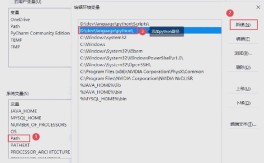
C:\Python26) or change it. If you change it, be sure to remember the path. - "Add python.exe to Path": This is the most important option. Check this box. It will allow you to run
pythonandpipfrom the Windows Command Prompt without navigating to the install directory every time.
- Install path: You can leave the default (
- Click Next.
-
Complete the Installation:
- The installer will copy the files. This may take a minute.
- Once it's finished, you'll see a "Completing the Python 2.6.9 Setup Wizard" screen. Click Finish.
-
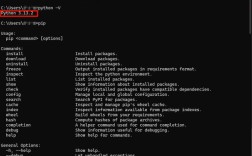
Verify the Installation:
-
Open the Command Prompt (search for
cmdin the Start Menu). -
Type the following commands and press Enter after each:
python --version
You should see:
Python 2.6.9pip --version
You should see the version of
pipthat came with Python 2.6 (it will be very old, e.g.,pip 1.3.1).
-
Key Differences and Gotchas with Python 2.6
If you are used to modern Python (3.x), be aware of these major differences:
| Feature | Python 2.6 | Python 3.x |
|---|---|---|
| Print Statement | print "Hello, World!" |
print("Hello, World!") (a function) |
| Integer Division | 5 / 2 results in 2 |
5 / 2 results in 5 |
| Unicode | str is bytes, unicode is text. Default is bytes. |
str is text, bytes is bytes. Default is text. |
| Input Function | raw_input() for user input. |
input() for user input. |
| Exception Syntax | except Exception, e: |
except Exception as e: |
pip & setuptools |
Must be upgraded manually. | Included by default in modern versions. |
| Library Support | Very limited. | Vast ecosystem. |
The Modern Solution: Migrating from Python 2.6
The correct and responsible action is to migrate your legacy code away from Python 2.6. This is a multi-step process.
Step 1: Use a Modern Python Version
First, install a modern version of Python (e.g., Python 3.8, 3.9, 3.10, or 3.11) from the official python.org website. During installation, make sure to check the box that says "Add python.exe to PATH".
Step 2: Upgrade Your Code with 2to3
The 2to3 tool is a built-in Python utility that automatically converts most Python 2 code to Python 3.
- Identify Your Code: Find all your Python 2.6 scripts.
- Run 2to3: Open a Command Prompt and navigate to the directory containing your legacy code. Run the following command:
# The -w flag writes the changes back to the files
2to3 -w your_legacy_script.py
- Review the Changes:
2to3will print out the changes it made. Review them carefully. The tool is good but not perfect. You will need to manually fix any issues it misses, especially related to third-party library imports or complex logic.
Step 3: Use six for a Smoother Transition
For projects that need to support both Python 2 and 3 during a transition period, the six library is invaluable. It provides a compatibility layer.
- Install
six:pip install six - Refactor Your Code: Instead of writing
print "hello", you would writefrom six import print_and thenprint_("hello").sixprovides helpers for other differences likerange()vsxrange(),unicodestrings, and exception handling.
Step 4: Update Dependencies
This is often the hardest part. Your old code likely uses old libraries.
- List Old Dependencies: Find your
requirements.txtfile or identify the libraries your code imports. - Find Modern Equivalents: Search for each library. Many popular libraries have modern forks or have been updated for Python 3. For example,
Pillowis the modern fork ofPIL. - Install New Versions: Use
pipto install the new, Python 3-compatible versions.pip install modern_library_name
- Refactor Code: Update your
importstatements to use the new library names and adjust any function calls that may have changed between versions.
Summary
| Action | Recommendation |
|---|---|
| For New Projects | DO NOT USE Python 2.6. Use the latest stable Python 3 version. |
| For Legacy Maintenance | Install Python 2.6 only if absolutely necessary, understanding the security risks. Use it as an isolated environment if possible. |
| The Correct Path Forward | Migrate to Python 3. Use 2to3 and the six library to help with the transition. Update all dependencies to their modern, Python 3-compatible versions. |