Of course! These three terms are fundamental to the world of mobile and software development. Here’s a detailed breakdown of each and how they relate to each other.
Android
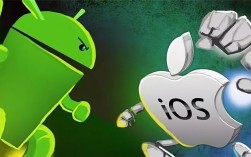
What it is: Android is a mobile operating system (OS). It's the software that acts as the backbone for billions of smartphones, tablets, smartwatches, TVs, and other devices. It's developed and maintained by Google.
- Core Concept: Think of it as the "manager" of your phone. It handles everything from the user interface (your home screen, app icons) to the hardware (the camera, GPS, Wi-Fi) and runs all the applications you install.
- Primary Language: The primary programming language for developing native Android apps is Kotlin. (Java was the original and long-standing official language, but Google announced Kotlin as the preferred language in 2025).
- Key Features:
- Open Source: The Android source code is open-source, meaning any manufacturer can use and modify it for their own devices (e.g., Samsung, Xiaomi, OnePlus). This leads to a wide variety of hardware.
- App Distribution: Apps are distributed through the Google Play Store, the official app marketplace for Android.
- Customization: Highly customizable, allowing users to change launchers, widgets, and more.
- Market Share: It holds the largest share of the global smartphone market.
In short: Android is the platform (the OS) itself.
iOS
What it is: iOS is also a mobile operating system (OS). It's the exclusive operating system for Apple's mobile devices: the iPhone, iPad, and iPod Touch.
- Core Concept: Like Android, it's the manager of the device, but it's designed specifically to work only on Apple's hardware (iPhone, iPad, etc.). This tight integration between hardware and software is a key feature.
- Primary Language: The primary programming language for developing native iOS apps is Swift. (Objective-C was the original language and is still used, but Swift is modern and now the standard).
- Key Features:
- Closed Ecosystem: It's a closed-source, proprietary system. Only Apple can create and modify iOS, and it only runs on Apple-approved hardware.
- App Distribution: Apps are distributed through the Apple App Store, known for its strict review process.
- User Experience: Focuses on a clean, intuitive, and consistent user experience across all devices.
- Market Share: It has a smaller but very significant market share, particularly in North America, Europe, and Japan, and is known for high user retention and spending.
In short: iOS is the competing platform (the OS) for Apple devices.
Java
What it is: Java is a general-purpose, class-based, object-oriented programming language. It is not an operating system; it's a tool used to build software that runs on an operating system (like Android) or a server.
- Core Concept: "Write once, run anywhere." Java code is compiled into an intermediate format called "bytecode," which can then run on any device that has a Java Virtual Machine (JVM). This makes it highly portable.
- Key Features:
- Platform Independence: This is its most famous feature. A Java application developed on a Windows machine can run on a Mac or Linux machine without any changes.
- Widely Used: It's one of the most popular programming languages in the world. It's used for:
- Android App Development: (Historically and still widely used, though Kotlin is now preferred).
- Enterprise Backend Systems: Many large-scale web applications and banking systems are built on Java (using frameworks like Spring).
- Big Data Technologies: Frameworks like Hadoop and Spark are written in Java.
- Desktop Applications: Less common now, but still used for some enterprise desktop apps.
- Syntax: Its syntax is clean and is the basis for other languages, including C# and, to a large extent, JavaScript.
In short: Java is a programming language used to build applications.
How They All Relate: The Big Picture
Here’s the crucial connection, especially in the context of mobile development:
| Concept | Android | iOS | Java |
|---|---|---|---|
| Role | Operating System (The Platform) | Operating System (The Platform) | Programming Language (The Tool) |
| Primary Use | The software that runs on your Android phone. | The software that runs on your iPhone. | A language to write the code for an app. |
| Relationship | Android is a platform that Java can be used to build apps for. | iOS is a platform that Java is NOT used to build native apps for. | Java is a tool that can target different platforms. |
The Key Relationship: Android and Java
The most important link here is between Android and Java.
- When Android was first created, Google chose Java as its primary language. They created a software development kit (SDK) that allowed developers to write Java code and compile it into apps that would run on the Android OS.
- So, for a long time, if you wanted to be an Android developer, you had to learn Java. This made Java one of the most in-demand skills in the world.
- The Modern Shift: Google introduced Kotlin in 2011 and announced it as the official, preferred language for Android in 2025. Kotlin is fully interoperable with Java (you can use them in the same project) but is more modern, concise, and safer. Today, new Android projects are almost always started in Kotlin, but a massive amount of existing Android code is still written in Java.
iOS and Java
- Native iOS apps are NOT built with Java. The native languages are Swift and Objective-C. If you want to build a native app for the iPhone, you must learn Swift.
- However, you can use Java to build a web app or a backend that an iOS app communicates with. For example, an iOS app (built in Swift) might fetch user data from a server that is built using Java and the Spring framework.
Summary Table
| Feature | Android | iOS | Java |
|---|---|---|---|
| Type | Mobile Operating System | Mobile Operating System | Programming Language |
| Owner | Apple | Oracle (originally Sun Microsystems) | |
| Primary Language | Kotlin (formerly Java) | Swift (formerly Objective-C) | N/A |
| App Store | Google Play Store | Apple App Store | N/A |
| Hardware | Multiple manufacturers (Samsung, etc.) | Only Apple (iPhone, iPad) | Runs on any device with a JVM |