Of course! This is an excellent question because the relationship between Java EE and Java Web is fundamental to understanding the Java enterprise ecosystem.
Let's break it down from a simple analogy to the technical details.
The Simple Analogy: A Building
-
Java EE (Enterprise Edition): This is the entire architectural blueprint and building code for constructing a large, multi-story, commercial office building. It specifies everything you need: the foundation, structural steel, plumbing, electrical systems, elevators, and fire exits. It's a comprehensive set of standards and tools for building robust, scalable, and secure enterprise applications.
-
Java Web: This is a specific, crucial part of that blueprint. It's the chapter on how to build the main entrance, the lobby, the public-facing website, and the customer service desks. It defines the rules for how users interact with the building from the outside, how they request information, and how the building presents that information back to them.
In short: Java Web is a subset of Java EE. All Java Web technologies are defined within the Java EE specification.
Detailed Breakdown
What is Java EE? (Now Jakarta EE)
Java EE (Java Platform, Enterprise Edition) was a specification (a set of APIs and standards) maintained by Oracle for building large-scale, multi-tier, scalable, reliable, and secure network applications (often called "enterprise applications").
In 2025, Oracle transferred the Java EE specification to the Eclipse Foundation, which renamed it to Jakarta EE. The core idea remains the same, but the package names have changed from javax.* to jakarta.*.
Key Characteristics of Java EE/Jakarta EE:
- Platform for Enterprise: Designed for complex business applications, not simple scripts or desktop apps.
- Component-Based: You build applications by assembling components (like servlets, EJBs, etc.) that run in a specialized server environment.
- Standardized: Ensures that an application written for one Java EE server (like WildFly) can run on another (like TomEE or WebLogic) without major changes.
- Provides a "Stack": It gives you a comprehensive set of services out-of-the-box, so you don't have to build them from scratch.
Core Java EE/Jakarta EE Technologies (The "Blueprint"):
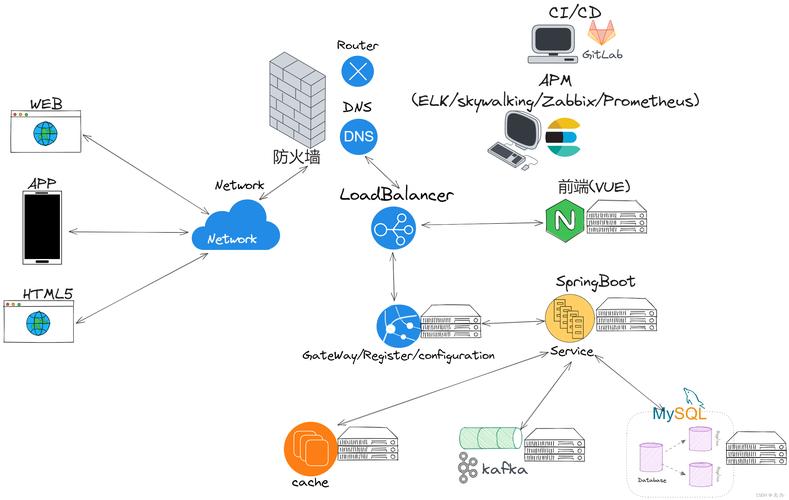
- Web Tier: The part that handles the user interface and HTTP requests. (This is where "Java Web" lives).
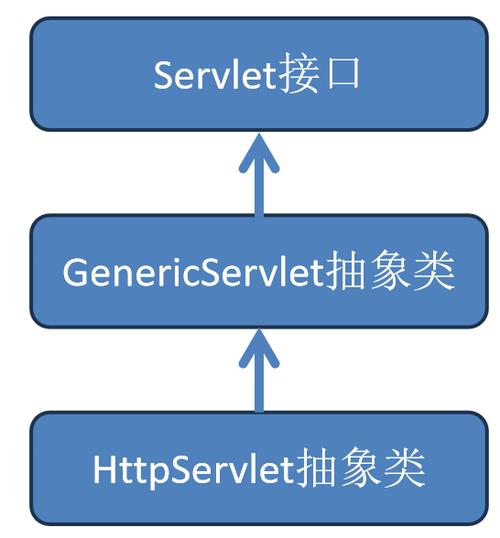
- Servlets: The fundamental building block for handling web requests.
- JavaServer Pages (JSP): A technology for creating dynamic web pages by embedding Java code in HTML.
- JavaServer Faces (JSF): A component-based MVC framework for building user interfaces.
- WebSockets: For full-duplex communication between client and server.
- JSON-P/JSON-B: For processing JSON data.
- Business Tier: The core logic of your application.
- Enterprise JavaBeans (EJB): Provides a robust way to write business logic, handling transactions, security, and concurrency for you.
- Contexts and Dependency Injection (CDI): A powerful framework for managing the lifecycle of objects and wiring them together.
- JAX-RS (RESTful Web Services): For building REST APIs that can be consumed by clients (web, mobile).
- JAX-WS (SOAP Web Services): For building SOAP-based web services.
- Persistence Tier: For interacting with the database.
- Java Persistence API (JPA): A standard for object-relational mapping (ORM), allowing you to interact with a database using Java objects.
- Other Services:
- Transactions (JTA): For managing ACID transactions.
- Messaging (JMS): For asynchronous communication between components.
- Security (JAAS): For authentication and authorization.
What is "Java Web"?
"Java Web" is not a formal specification like Java EE. It's a colloquial term that refers to the subset of Java EE technologies specifically used for developing applications that run on the World Wide Web.
When someone says they are doing "Java Web development," they mean they are using technologies from the Web Tier and often the Business Tier of the Java EE stack to create web applications and APIs.
Core "Java Web" Technologies (The "Lobby and Entrance"):
- Servlets: The absolute core. Every request to a Java web app is handled by a servlet.
- JSP: Older but still used technology for creating views.
- JSP Standard Tag Library (JSTL): Provides tags for common tasks like iteration and conditional logic in JSPs.
- Expression Language (EL): A simple language for accessing Java objects from JSPs.
- Web Frameworks: While not part of the Java EE spec itself, they are built on top of it.
- Spring MVC: (The most popular Java web framework). It uses servlets under the hood but provides a much simpler and more flexible programming model.
- JSF: A component-based framework included in the Java EE spec.
- Play Framework, Struts: Other popular web frameworks.
- RESTful APIs (JAX-RS): Building web services that serve data to clients (like a mobile app or a Single Page Application).
Comparison Table
| Feature | Java EE (Jakarta EE) | Java Web |
|---|---|---|
| Scope | Comprehensive Platform. The entire blueprint for enterprise apps. | A Subset. The part of the blueprint for web-facing components. |
| Definition | A formal, standardized specification (now Jakarta EE). | A colloquial term, not a formal specification. |
| Core Focus | Building large, scalable, multi-tiered business applications (e.g., banking systems, e-commerce platforms). | Building applications that run in a web browser or provide web-based services (APIs). |
| Key Technologies | Servlets, JSP, EJB, JPA, CDI, JTA, JMS, JAX-RS, JAX-WS. | Servlets, JSP, JSTL, EL, Web Frameworks (Spring MVC), JAX-RS. |
| Analogy | The entire set of building codes and architectural plans for a skyscraper. | The specific plans for the building's lobby and public entrances. |
Evolution and Modern Context: The Rise of Spring
This is the most important part to understand today.
For many years, Java EE was the standard. However, developers found it complex, heavy, and slow to innovate. This created a gap that the Spring Framework filled perfectly.
-
Spring (and now Spring Boot): Spring started as a simpler, lighter alternative to Java EE's complex technologies like EJB. It provided a powerful and flexible way to build Java applications, especially web applications. It used Plain Old Java Objects (POJOs) instead of requiring you to implement specific interfaces.
-
Spring Boot: This is the game-changer. It takes the Spring framework and provides convention-over-configuration. It makes it incredibly easy to create stand-alone, production-ready web applications with minimal setup.
How does this affect the "Java EE vs. Java Web" discussion?
- Spring is not Java EE: Spring is its own framework. However, it can integrate with Java EE technologies.
- Spring is the de-facto standard for modern Java Web Development: Today, when someone says "Java Web," there's a very high chance they mean Spring or Spring Boot. Spring Boot has absorbed the best ideas of Java EE (like dependency injection with a
@RestControllerannotation) and made them much simpler to use. - Jakarta EE is Evolving: The move to Jakarta EE under the Eclipse Foundation has revitalized it. Modern servers like WildFly and Payara are fast, lightweight, and incorporate many of the developer-friendly features that made Spring popular.
Summary
- Java EE (Jakarta EE) is the complete, standardized platform for building all kinds of large-scale enterprise applications, including web, mobile backend, and batch processing.
- Java Web is an informal term for the set of technologies used to build the web-facing parts of those applications (servlets, JSP, web frameworks, REST APIs).
- Historically, "Java Web" meant using the web components of the Java EE spec.
- Today, modern "Java Web" development is overwhelmingly dominated by the Spring and Spring Boot frameworks, which provide a simpler, faster way to build web applications while still leveraging the power of the Java ecosystem. However, the underlying principles and many of the APIs (like Servlets) are still fundamental.